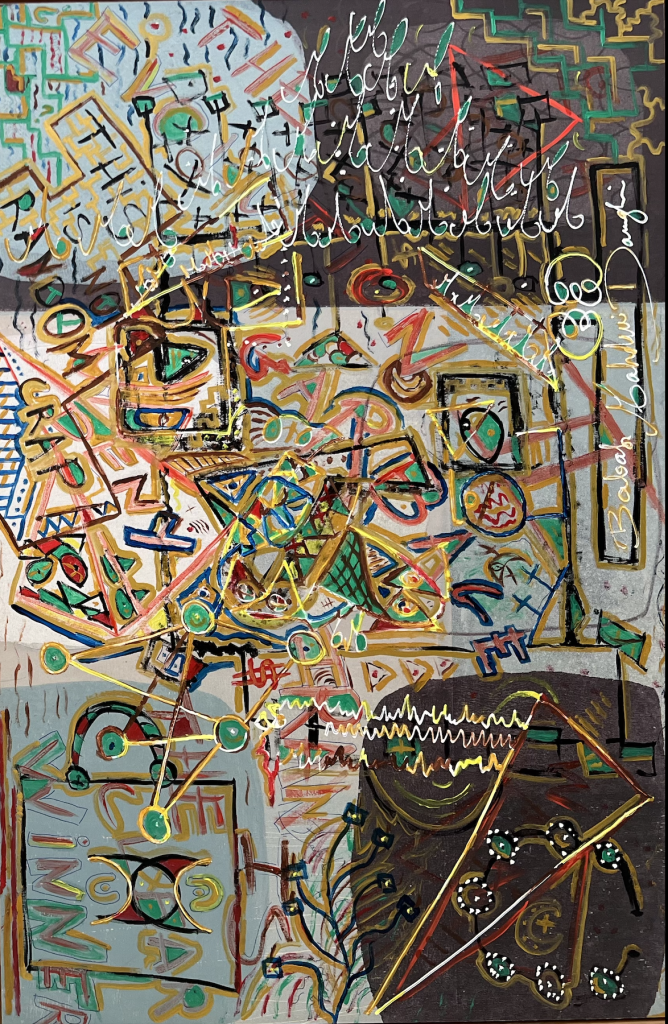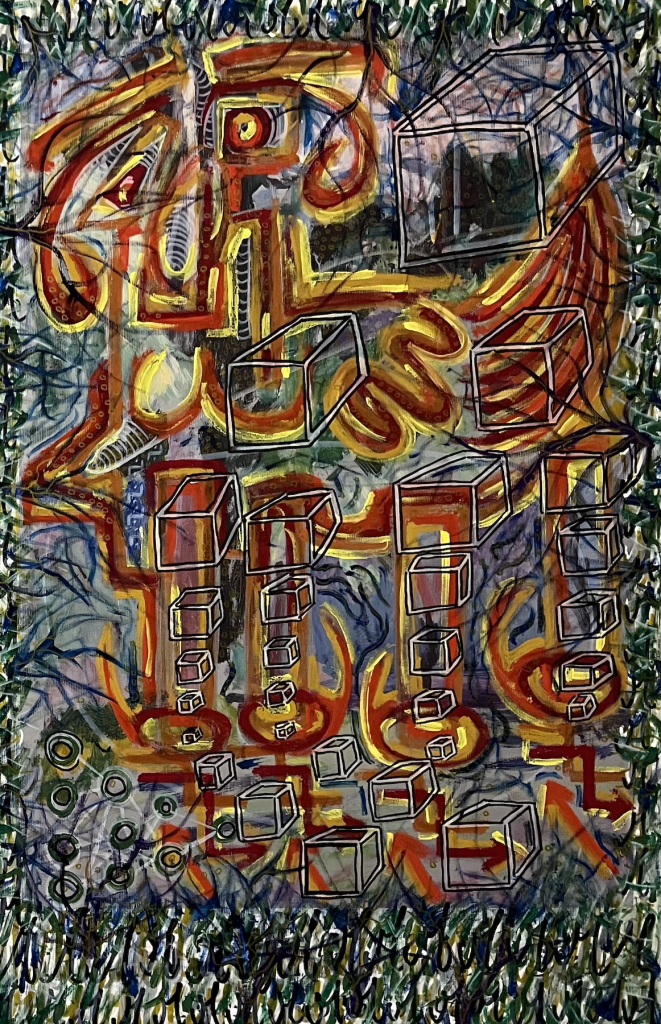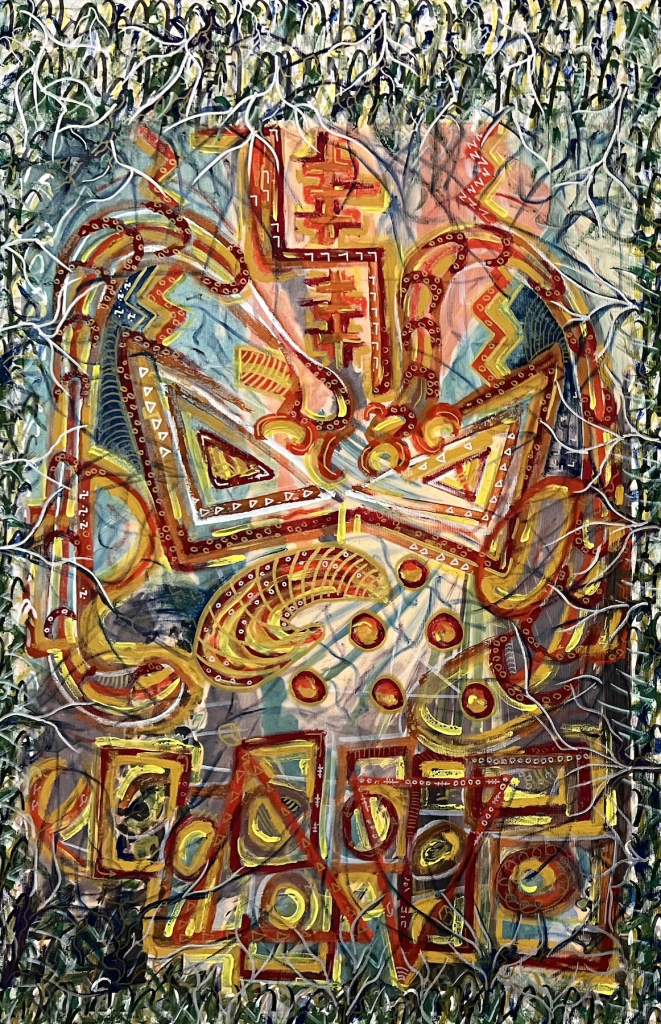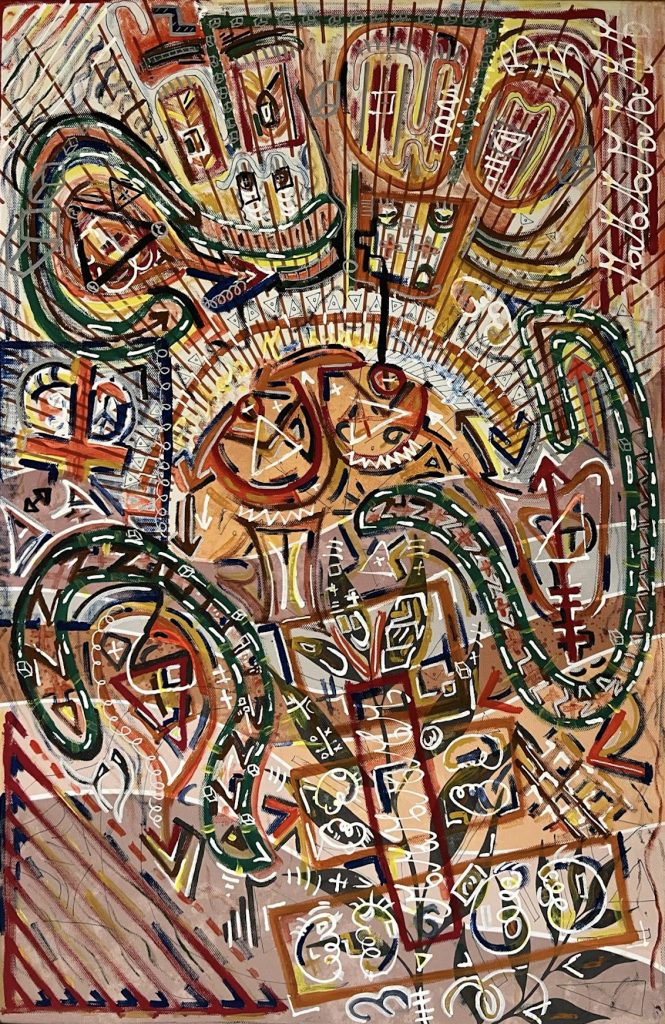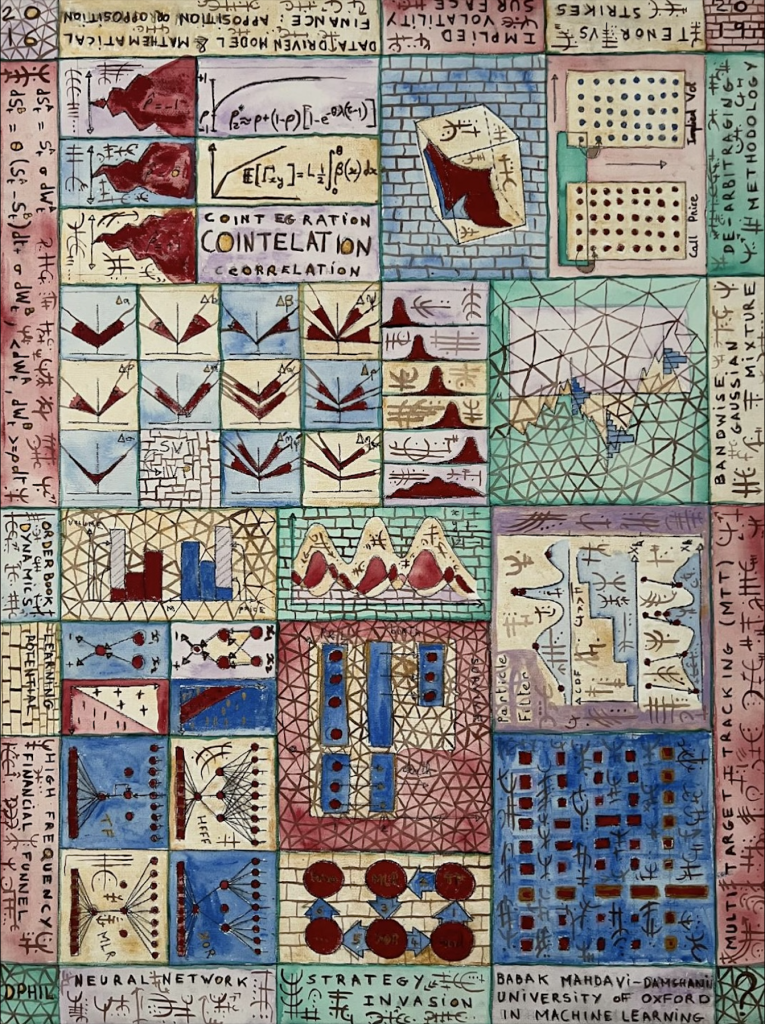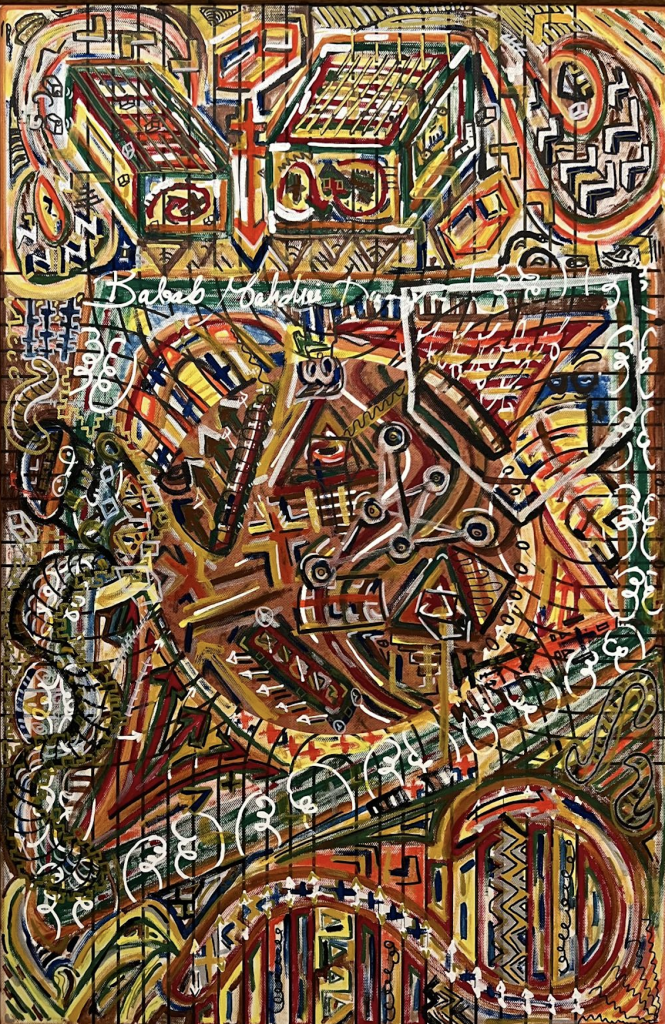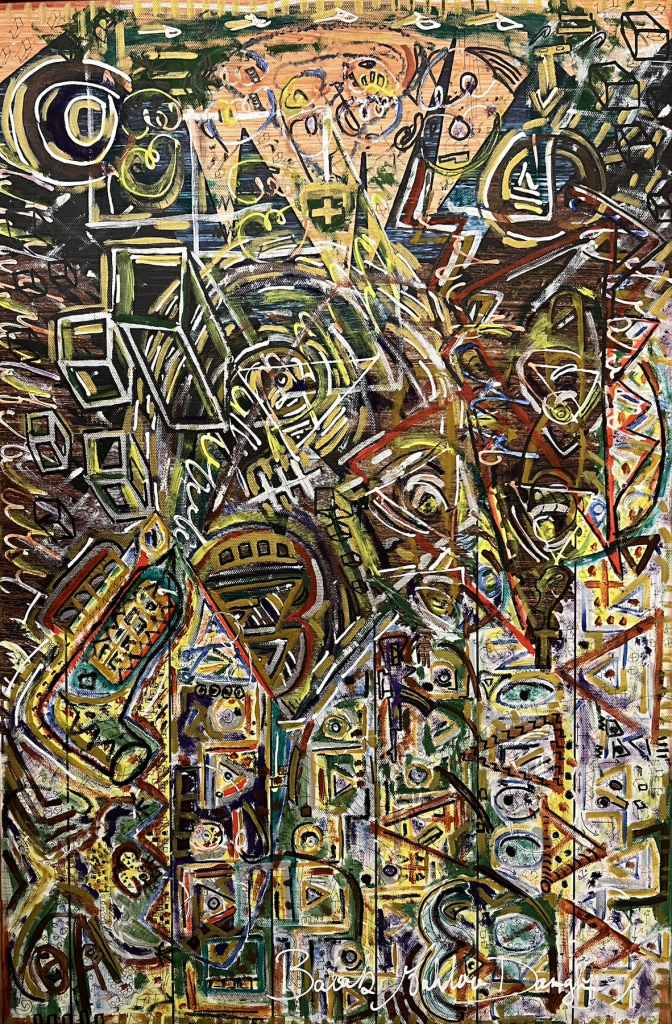
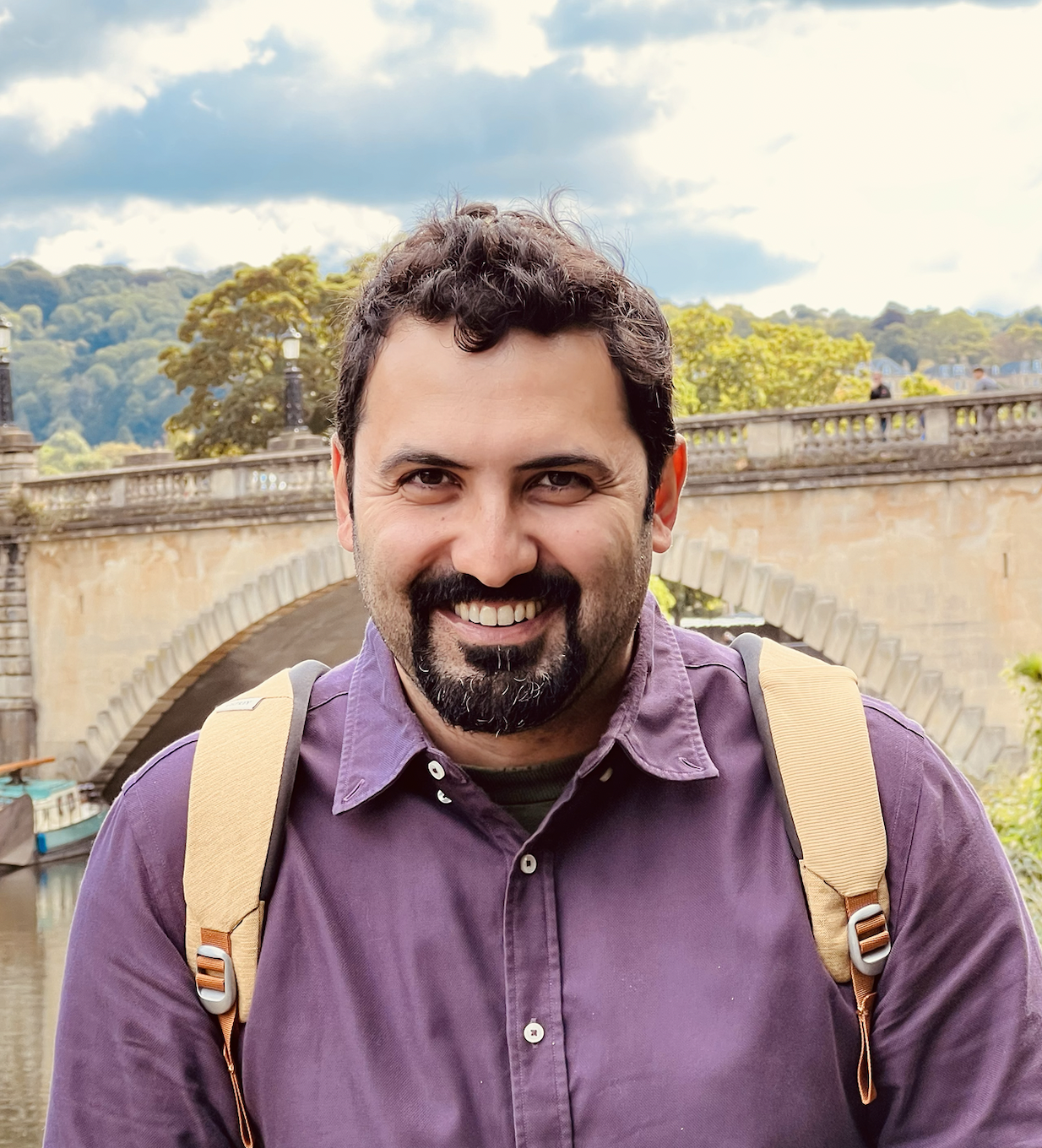
My principal work lies in the applied mathematical and computational sciences, mainly in finance, alongside a number of more unconventional, slightly mad but ambitious projects, such as Stable-Match. I also make time for more creative pursuits, particularly painting.
Every artist eventually develops a distinctive way of working. Mine is rooted in a particular interpretation of art history. Before photography, painting and drawing were among the principal means by which the visible world could be recorded and preserved. Landscapes, portraits and historical events therefore occupied a central place in artistic practice. Photography fundamentally altered that role. Once technology could capture appearances with increasing fidelity, art was freer to explore what the camera could not so easily reproduce. Impressionism, Cubism, Expressionism and Surrealism can all, in very different ways, be understood as explorations of perception, emotion, distortion, symbolism and imagination rather than the straightforward documentation of reality.
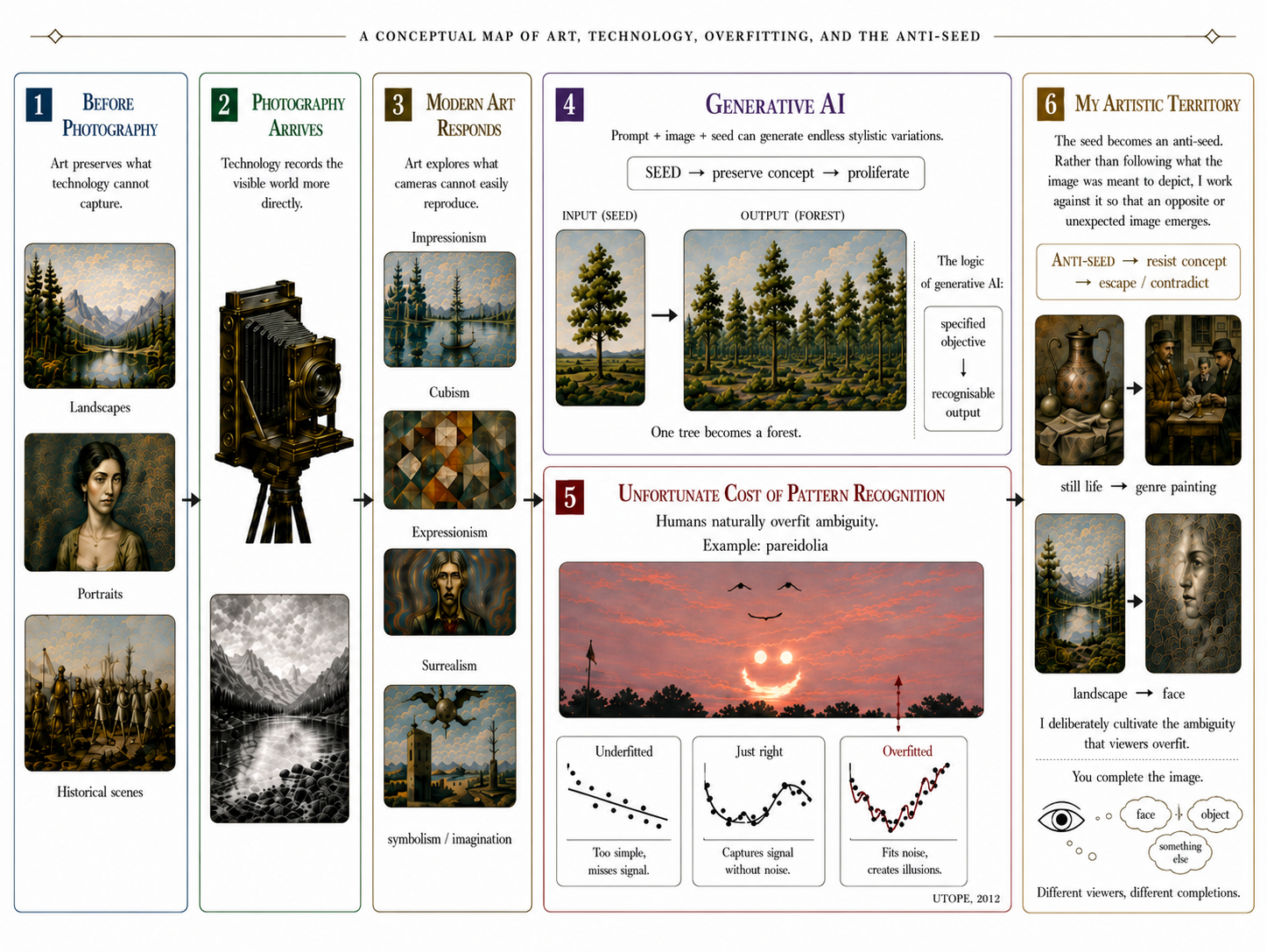
Generative artificial intelligence introduces another shift. A prompt, an image or a seed can now generate an extraordinary range of stylistic outcomes. A single tree can become the basis for an entire forest. Styles that once represented departures from mechanical reproduction can themselves increasingly be reproduced technologically. This raises, for me, essentially the same question that photography once posed to painting: what remains interesting for art when technology becomes increasingly capable of doing what artists already do?
Part of my answer comes, perhaps unexpectedly, from an idea I explored much earlier in my work on pattern recognition. In my 2012 article, The Unfortunate cosT Of Pattern rEcognition, UTOPE-ia: The Genetic Disorder of the Financial Industry, I argued that humans are rather more similar to statistical machines than we generally like to think. Machine-learning models can overfit noisy data, discovering patterns that appear meaningful but are largely accidental. Humans do something remarkably similar. Superstition, apophenia, pareidolia, and our tendency to recognise faces, intentions and structures in incomplete information all reflect the same underlying impulse: we do not merely observe the world; we actively impose patterns upon it. This becomes particularly interesting when contrasted with the normal logic of generative AI. In ordinary use, we give the system an objective: a tree, a face, a landscape, a particular style. The seed is preserved, elaborated and proliferated until the requested concept becomes recognisable in the output. In simplified form, the logic is:
Seed → preserve concept → proliferate
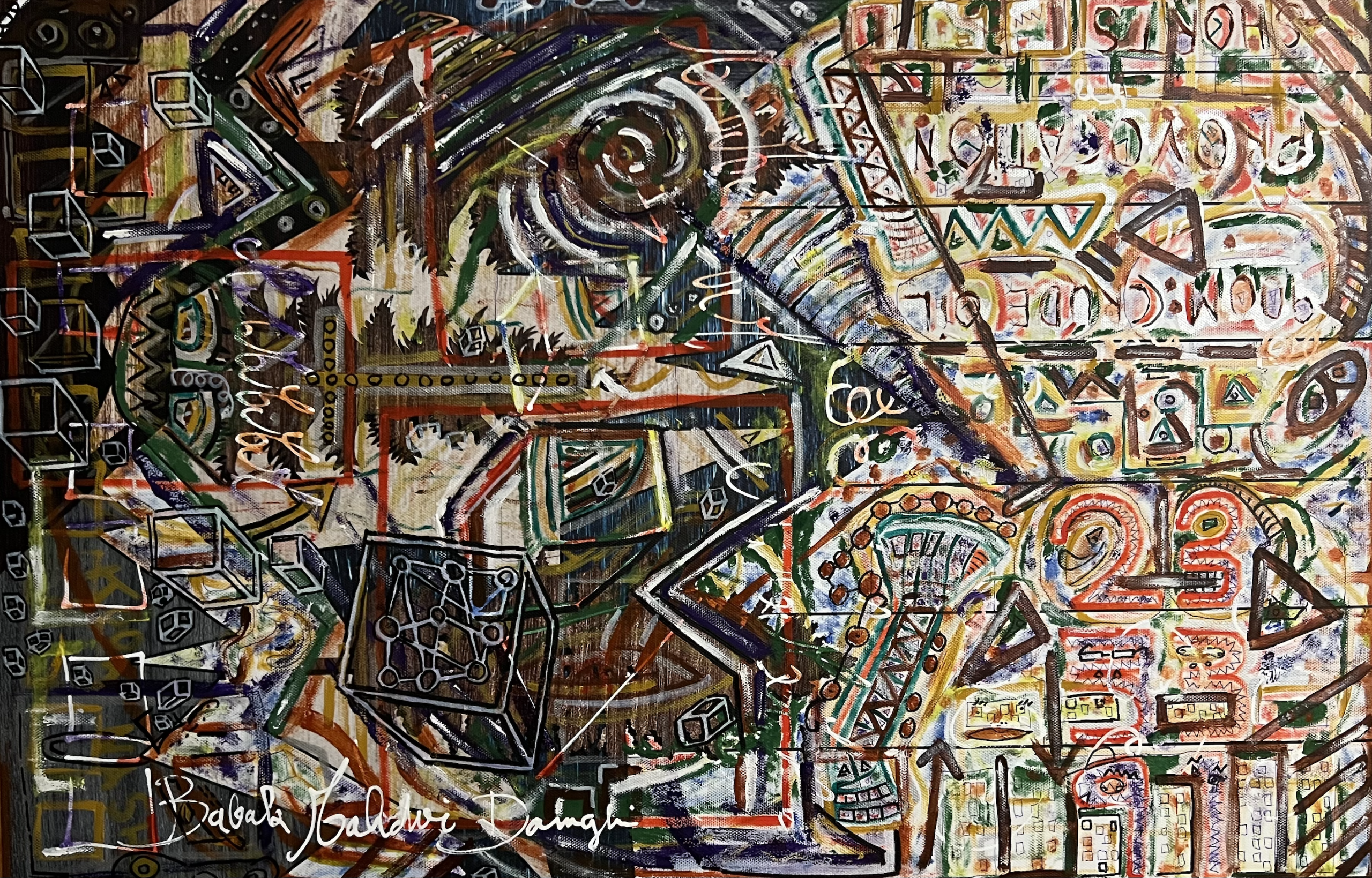
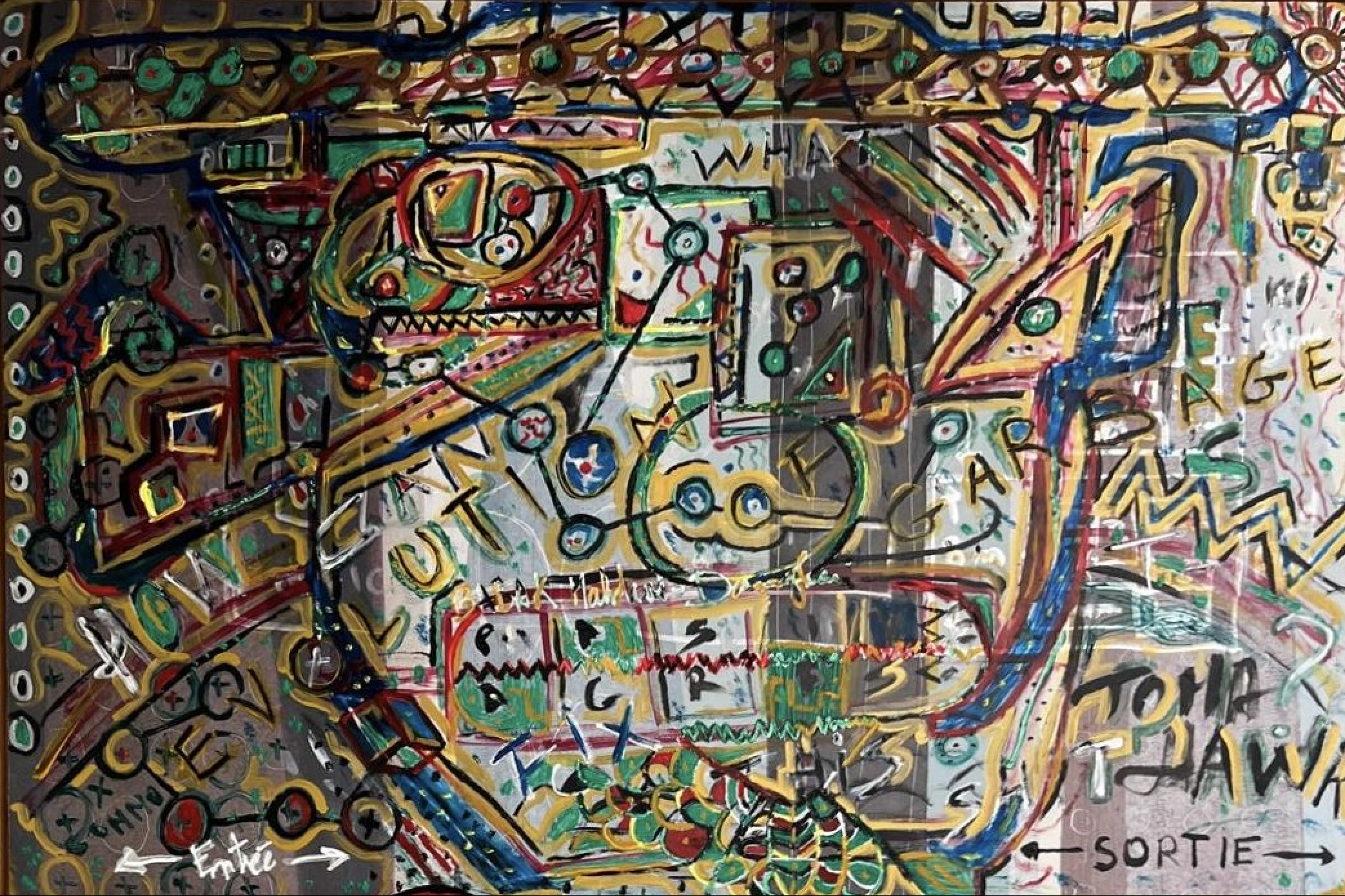
Ambiguity may occur along the way, but the general direction is towards fulfilling a specified intention. The machine is normally asked to make its objective increasingly legible. My paintings deliberately move in the opposite direction. I am interested in images that remain unstable enough for both chance and the viewer’s own pattern-recognition machinery to participate in what they become. A landscape may begin to contain a face; a still life may suggest a genre scene; marks intended as one thing may unexpectedly organise themselves into something entirely different. I do not necessarily paint that second image explicitly. Instead, I try to create the conditions in which it can emerge. This also means giving the painting a certain freedom to decide what it wants to become. I may begin by pushing it in one direction, then notice an accidental form, relationship or ambiguity that suggests another. Rather than forcing the work back towards my original intention, I try to follow these discoveries.
The process therefore becomes partly one of making and partly one of observing. I intervene, the painting responds, and I react to what has appeared. There is no fixed destination that the work is required to reach. The same openness extends to the viewer. One person may see a face where another sees an object, a landscape or something I never consciously intended. The painting offers visual evidence without prescribing a definitive solution. The viewer is therefore encouraged, in a sense, to overfit the painting. What might normally be considered an error in statistical reasoning becomes part of the artistic mechanism. This is where the idea from UTOPE meets the second principle behind my work: the anti-seed. I usually paint on 60 × 40 cm wooden panels that already contain an unrelated image, often a cheap, generic painting purchased online. A generative system might treat such an image as a seed, preserving enough of its identity to generate related variations. I treat it almost inversely. The existing painting becomes an anti-seed:
Anti-seed → resist concept → escape or contradict
Rather than asking how the original image might be developed, I work against what it was meant to depict. Through overpainting, obscuring, distortion and contradiction, I gradually weaken the authority of the starting image. But resisting the original does not mean imposing another predetermined image in its place. Once the initial subject begins to lose its hold, I leave room for the painting to find its own direction. The anti-seed gives me something to escape from, not a destination to escape towards. The aim, therefore, is not simply to replace one recognisable picture with another. It is to arrive somewhere less settled, where the original subject has been absorbed or contradicted, but no single replacement completely takes its place. The work remains open enough for accidental structures to emerge, for me to respond to them, and eventually for the viewer to complete them in yet another way.
The painting provides incomplete evidence; the viewer supplies the pattern. In this sense, the final image has no single authorial moment. I begin with an image made by somebody else, resist what that image originally intended, respond to forms that emerge during the act of painting, and finally leave part of the interpretation to whoever encounters the finished work. The painting is constructed by me, influenced by what it already was, shaped by what it unexpectedly becomes, and completed differently by each viewer. If photography pushed art beyond straightforward representation, and generative AI is now making style and variation increasingly abundant, then one possible frontier lies in deliberately producing the opposite of a neatly specified output: images built around ambiguity, unexpected association and unstable meaning. Rather than competing with computers at reproducing styles they can already imitate, I am interested in creating paintings that exploit something more difficult to prescribe: the interaction between accident, ambiguity and our irresistible human tendency to find patterns where no single pattern has been given to us.
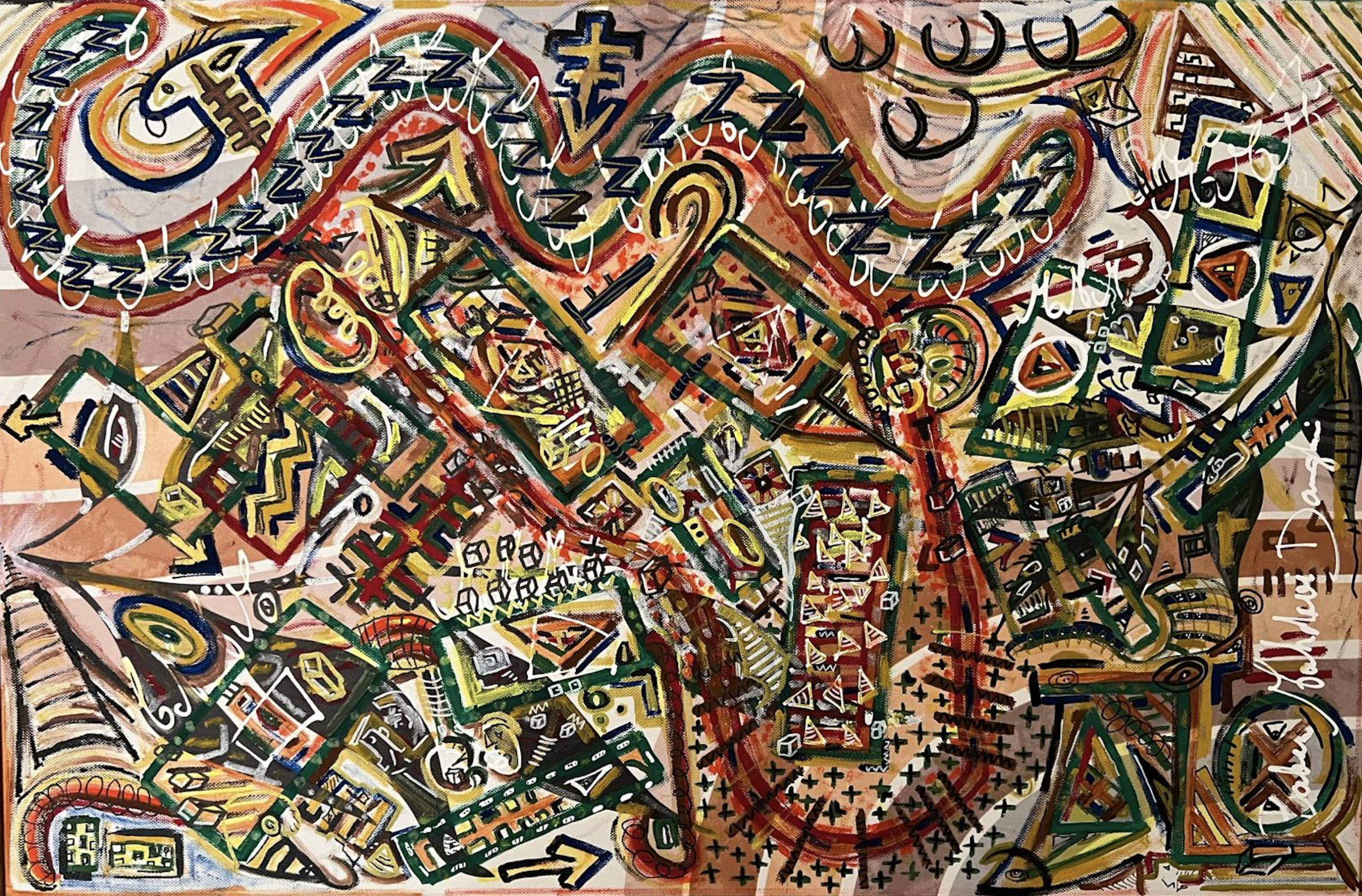
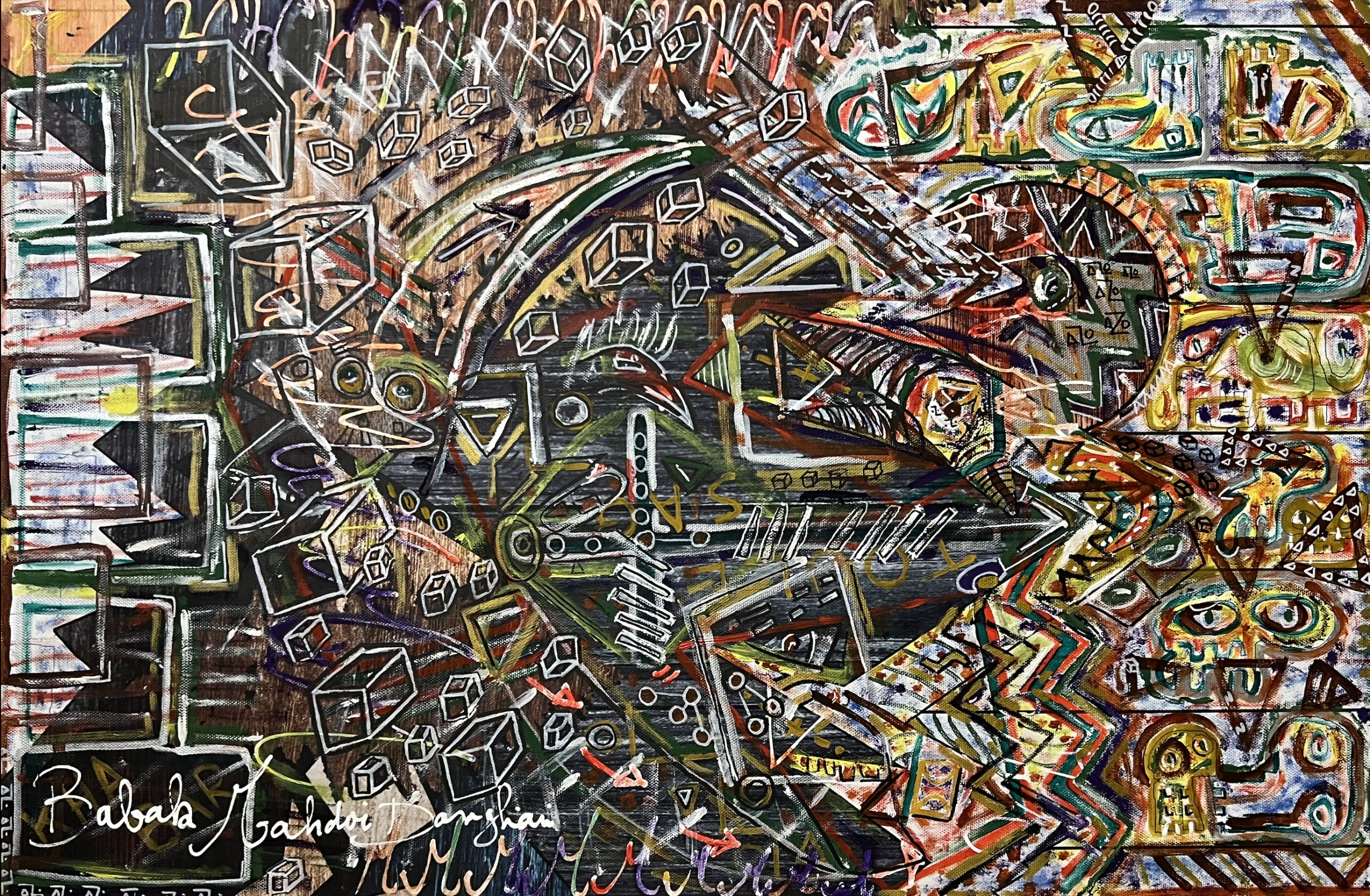
The paintings presented on the right sidebar and below are a few modest experiments in that direction.
For more detailed information about this topic, please contact us.