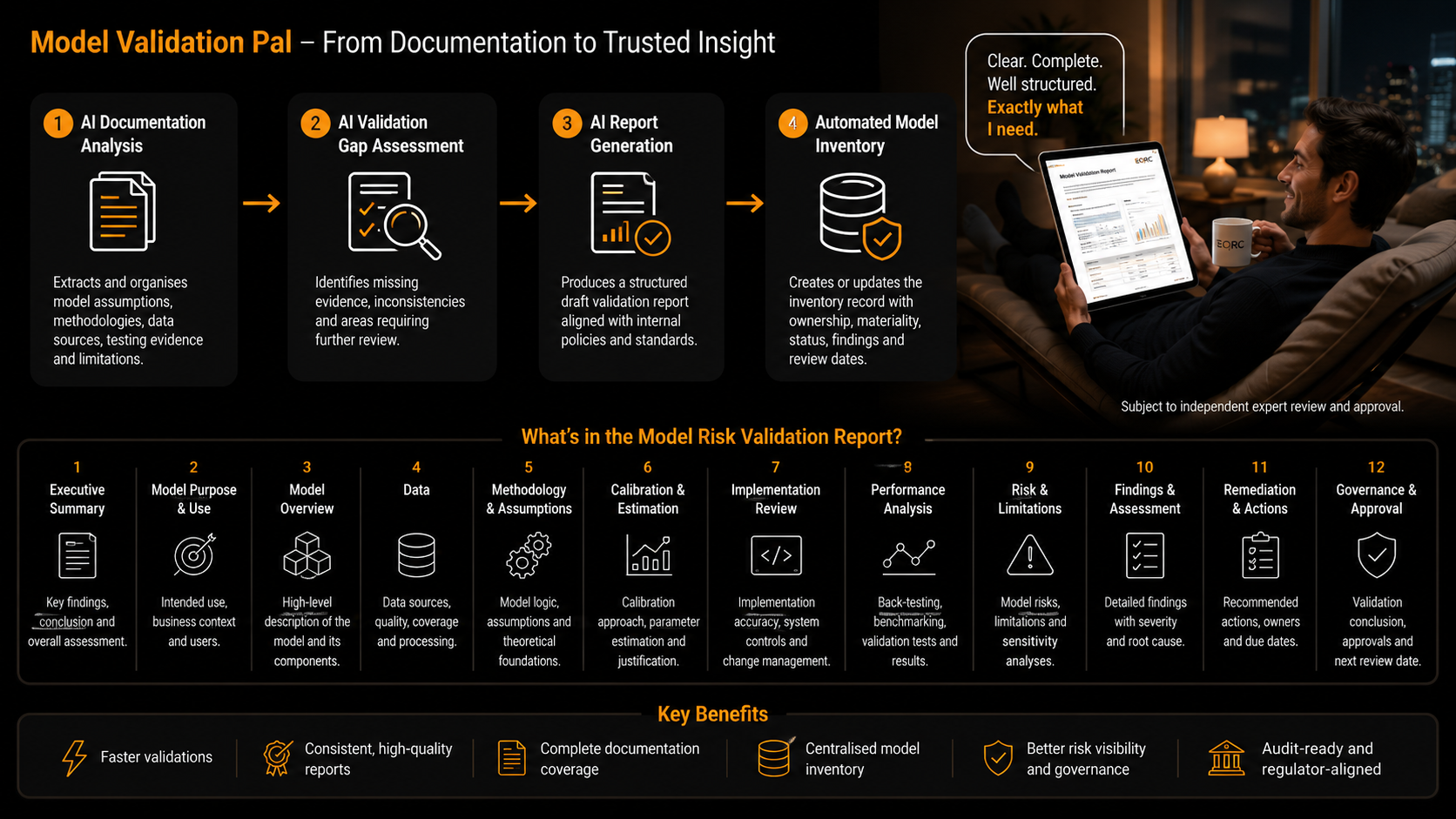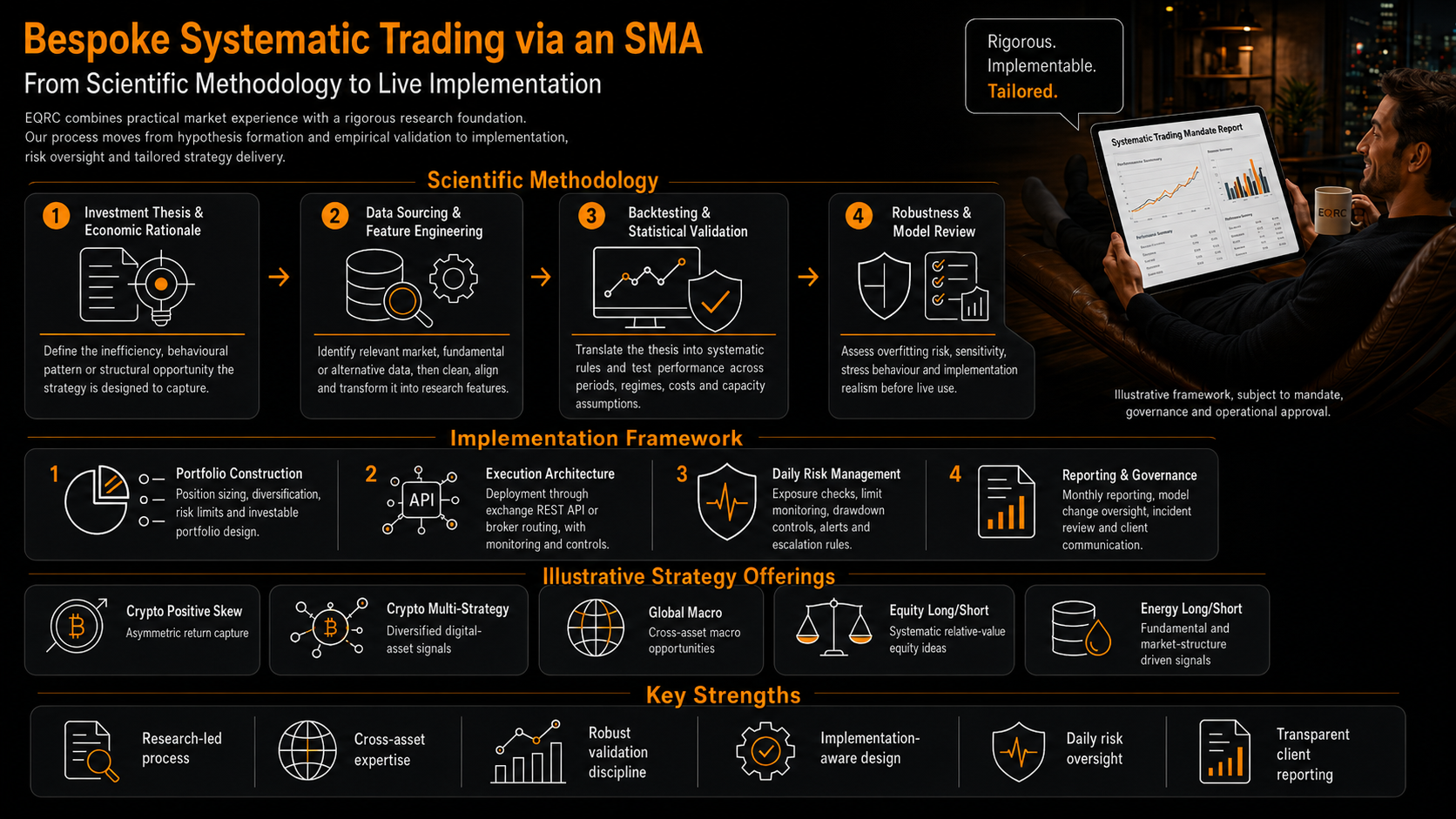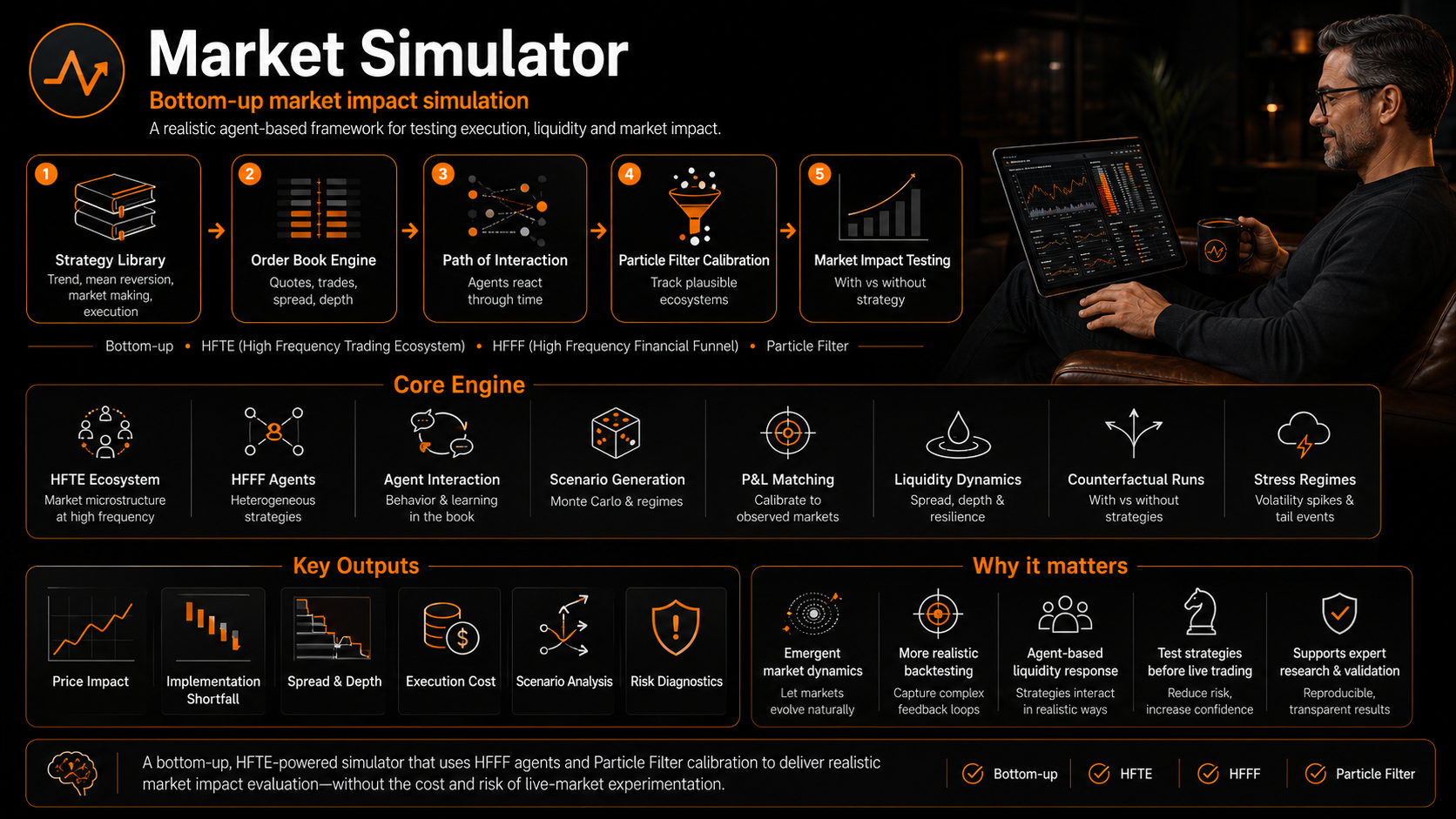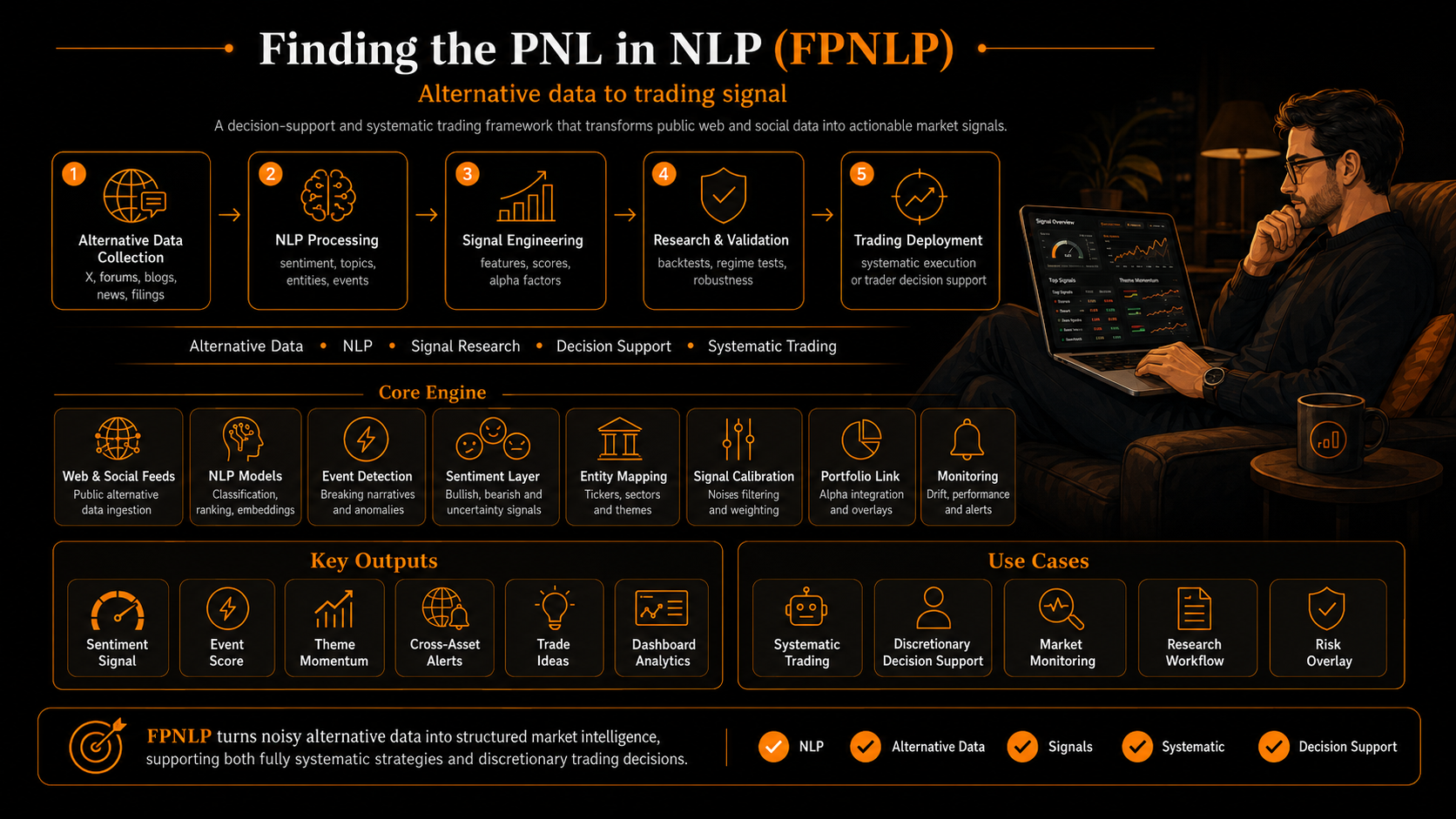
EQRC was officially launched in 2014 in order to create a legal platform, initially and primarily focused on consultancy assignments in the Quantitative Finance industry. EQRC was historically meant to roughly mean Quantitative Research Consulting but we instead chose to reorganise the acronyms into research themes that have now become laboratories: Electronic & Systematic Trading, Quantitative & Mathematical Finance, Risk Methodology, Model Risk & Legal Risk and, Cognizant Social Engineering & Game Theory. Indeed, since its creation in 2014, EQRC has evolved from a quantitative finance & AI consultancy firm into a platform for developing and incubating a broad ecosystem of AI and data-driven projects. It can now be interpreted as a Modular AI Laboratory. Rather than developing isolated AI applications independently, we build reusable quantitative, machine-learning and data modules that can operate on their own, but can also be combined to create increasingly sophisticated applications. The idea is deliberately bottom-up. Foundational capabilities and alternative-data collection can be combined with proprietary quantitative models developed through EQRC’s research. These components can then be reused across applications in areas such as model validation, systematic trading, market simulation, alternative data, risk management and portfolio management. This creates an interconnected research and development ecosystem in which technology, infrastructure and intellectual property can be shared across projects. It also allows individual projects to be commercialised independently while contributing to the development of more ambitious products. Our longer-term objective is to explore how increasingly sophisticated AI systems can automate and augment quantitative functions across the financial industry, while also allowing some of the underlying technology to expand into applications beyond finance.
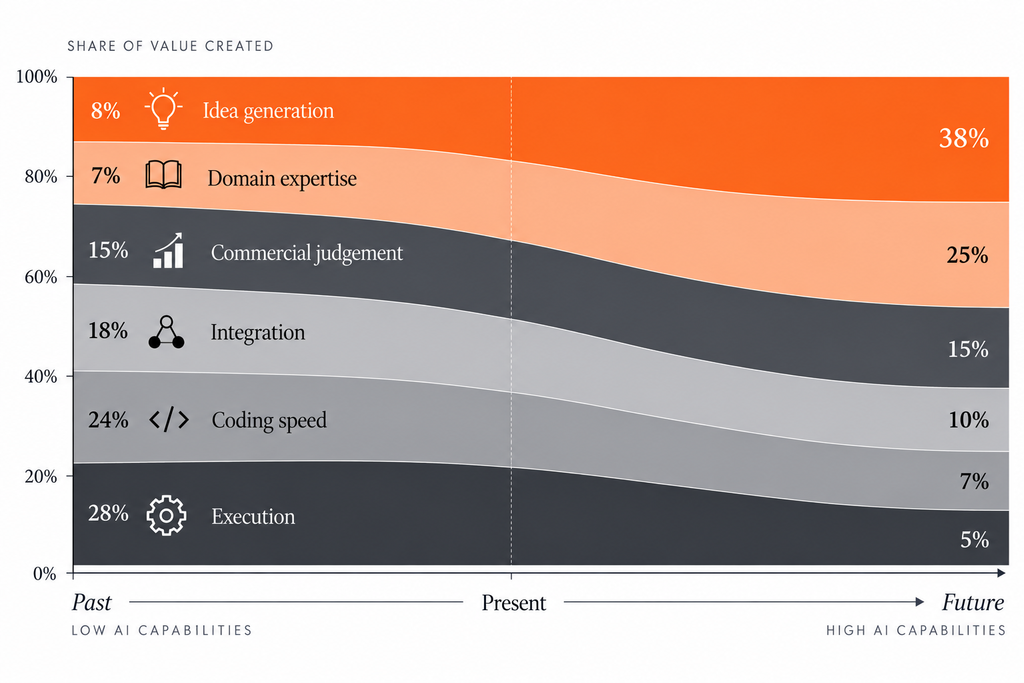
As AI makes coding, integration and prototyping progressively faster and cheaper, competitive advantage moves upstream, from the ability to execute an idea to the ability to originate the right ideas, identify valuable problems and apply deep domain expertise.
This is the part of the value chain EQRC is designed around. Rather than concentrating on a single product, EQRC operates as a portfolio of specialist research labs that generate differentiated ideas and use LLM-enabled development to turn the most promising ones into MVPs rapidly and at relatively low cost. The result is a model in which the same capital can support more experiments, faster validation and more shots on goal, while knowledge, data, models and infrastructure can be reused across projects. For investors, the proposition is therefore broader than backing one AI application: it is exposure to an idea-generation and commercialisation engine whose economics potentially improve as the cost of execution continues to fall. This reflects the wider shift from “Can we build it?” toward “What is worth building?” as execution becomes less of a bottleneck. For more detailed information about this topic, please contact us, check our overview or pitch.

Founder: Babak Mahdavi-Damghani. I use this space to share selected research, present current projects and highlight some of the academic and industry initiatives in which I am involved. I am a researcher with a PhD in Machine Learning and nearly two decades of experience at the intersection of engineering and the applied mathematical, statistical and computational sciences for various applications.
CV, LinkedIn, SSRN, Research Gate, Youtube, GitHub, Google Scholar, Art Page
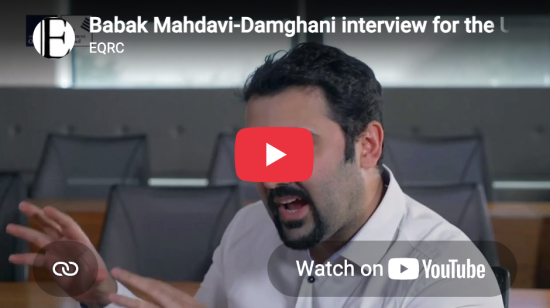
My doctoral thesis examines the relationship between data-driven modelling and mathematical finance, set against the historical backdrop of the rise of Big Data and the aftermath of the global financial crisis. A more accessible introduction to part of the research can also be found in an interview I gave for the Oxford Algorithmic Trading Programme (below), where I have contributed to the teaching faculty.
Alongside my research, I contribute to academic publishing and peer review for journals and practitioner publications including the Review of Derivatives Research, the Journal of Machine Learning Research and Wilmott. I also regularly participate in industry seminars and international conferences. Recent activities include my involvement in IMPA’s Research in Options programme and the presentation of my paper, A Bottom-Up Approach to Financial Markets, at the Risk Quant Summit. Please feel free to explore the research and project materials available throughout the website. I would be pleased to hear from you regarding any questions, potential collaborations or related research interests.